
7 LinkedIn Outreach Mistakes That Kill Your Response Rate
Discover the common outreach mistakes preventing you from getting replies and learn proven strategies to start more conversations, book more meetings, and generate better results.
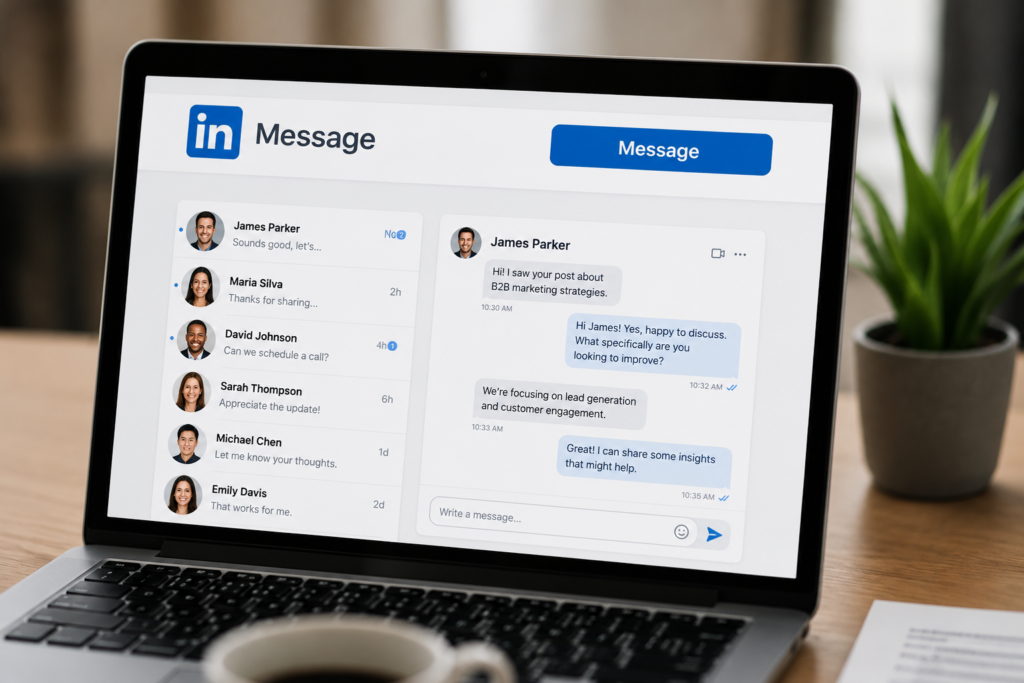
LinkedIn has become one of the most powerful platforms for B2B lead generation, networking, and relationship building. With over a billion professionals using the platform, businesses have an incredible opportunity to connect directly with decision-makers, executives, and potential clients. Yet despite the platform’s potential, many outreach campaigns fail before they even begin. Professionals spend hours sending connection requests and messages only to receive little or no response. The problem isn’t LinkedIn—it’s the approach. Successful outreach isn’t about sending more messages. It’s about sending the right message to the right person at the right time. In this guide, we’ll explore the seven most common LinkedIn outreach mistakes that dramatically reduce response rates and show you practical ways to improve your conversations, build trust, and generate more qualified opportunities.
Why LinkedIn Outreach Often Fails
Most people treat LinkedIn like an email marketing platform. They send cold sales pitches immediately after connecting and expect prospects to book meetings. However, LinkedIn is built around relationships. People want authentic conversations—not automated sales messages.
Poor outreach usually results from:
- Lack of personalization
- Generic messaging
- No research about the prospect
- Focusing only on selling
- Weak follow-up strategy
- Sending messages that are too long
- Targeting the wrong audience
Avoiding these mistakes can significantly improve your response rate.
Mistake #1: Selling Before Building Trust
One of the biggest mistakes businesses make is sending a sales pitch immediately after someone accepts their connection request.
For example:
"Hi John, thanks for connecting! We help businesses increase revenue by 300%. Can we schedule a demo this week?"
This message immediately puts pressure on the recipient. Instead, begin by creating a conversation.
A better approach would be:
"Hi John, thanks for connecting. I noticed your company has been expanding recently. Congratulations! I'm curious—what's been the biggest challenge during your growth?"
This approach feels natural, starts a discussion, and encourages engagement.
Focus on:
- Building relationships
- Asking thoughtful questions
- Showing genuine interest
- Providing value before making an offer
People are much more likely to respond when they don’t feel they’re being sold to.
Mistake #2: Using Generic Copy-and-Paste Messages
Prospects can instantly recognize template messages.
Messages like:
"Hi, I hope you're doing well. I'd love to connect and tell you about our services."
Appear dozens of times in people’s inboxes every week. Generic messages show little effort and make recipients feel like just another name on a list. Personalization Makes the Difference Spend one or two minutes researching your prospect before reaching out.
Mention something specific:
- A recent LinkedIn post
- Company achievement
- Industry news
- Podcast appearance
- Mutual connection
Example:
"Hi Sarah, I enjoyed your recent article about AI in healthcare. Your perspective on patient engagement was particularly interesting."
That single personalized sentence dramatically increases the chances of receiving a reply.
Mistake #3: Not Researching Your Prospect
Successful outreach begins before you write your first message.
Take time to understand:
- Their role
- Company size
- Industry
- Recent news
- Current priorities
- Challenges they may be facing
Research helps you create relevant conversations rather than making assumptions. Things to Review Before Messaging
- LinkedIn profile
- Recent posts
- Company page
- Website
- News articles
- Shared interests
The more relevant your message feels, the better your response rate.
Mistake #4: Writing Messages That Are Too Long
Busy professionals don’t want to read large blocks of text. Many outreach messages look like mini sales pages. Long messages often explain:
- Company history
- Every service offered
- Features
- Pricing
- Testimonials
- Meeting request
All in the first message. That’s overwhelming. Keep It Short A strong first message should be around 50–100 words. Structure:
- Greeting
- Personalized observation
- One question
Example:
Hi Emily, I noticed your marketing team recently launched a new campaign. Congratulations! I'm curious—how has engagement been compared to previous launches?
Simple. Natural. Easy to reply to.
Mistake #5: Targeting the Wrong Audience
Even the best message won’t work if you’re contacting the wrong people. Many businesses focus on quantity instead of quality. Sending 500 messages to random professionals rarely produces strong results. Instead, define your Ideal Customer Profile (ICP).
Consider:
- Industry
- Company size
- Revenue
- Job title
- Decision-making authority
- Geographic location
Quality outreach consistently outperforms mass messaging.
Mistake #6: Offering No Clear Value
Your prospect should quickly understand why the conversation matters. Don’t make your message about your company. Make it about solving their problem.
Weak value proposition:
"We're a leading digital marketing agency."
Better:
"We help SaaS companies generate qualified demos through LinkedIn outreach without increasing ad spend."
The second example immediately explains:
- Who you help
- What you do
- The result
Clarity increases curiosity.
A Proven LinkedIn Outreach Framework
A successful outreach campaign typically follows these steps:
Step 1: Optimize Your Profile
Before sending messages, ensure your profile builds credibility.
Include:
- Professional profile photo
- Clear headline
- Strong About section
- Featured projects
- Client testimonials
- Relevant experience
People often check your profile before replying.
Step 2: Build a Targeted Prospect List
Identify decision-makers who fit your ideal customer profile.
Use LinkedIn filters such as:
- Industry
- Company size
- Location
- Job title
- Seniority level
A smaller, well-qualified list often performs better than a large generic one.
Step 3: Send Personalized Connection Requests
Avoid empty connection requests.
Instead, write a brief note referencing something specific about the prospect or their company.
Step 4: Start Conversations
Your first message should create dialogue—not pitch your service.
Ask open-ended questions that encourage thoughtful responses.
Step 5: Deliver Value
Share:
- Industry insights
- Helpful resources
- Relevant case studies
- Useful articles
- Practical tips
Be known as someone who helps, not just someone who sells.
Step 6: Transition Naturally
Once trust has been established, introduce how your solution may help.
This should feel like the next logical step—not an abrupt sales pitch.
LinkedIn Outreach Best Practices
To maximize your response rates:
- Personalize every message.
- Focus on relationships rather than sales.
- Keep messages concise.
- Ask engaging questions.
- Research every prospect.
- Optimize your LinkedIn profile.
- Follow up consistently without being pushy.
- Provide value before asking for meetings.
- Track your outreach performance.
- Continuously test and improve your messaging.
Frequently Asked Questions
How many LinkedIn messages should I send daily?
Quality is more important than quantity. Sending 20–40 highly personalized outreach messages often produces better results than sending hundreds of generic templates.
Should I pitch my services immediately after connecting?
No. Build trust first by starting conversations, sharing insights, and understanding your prospect’s needs before introducing your services.
How long should my first LinkedIn message be?
Aim for 50–100 words. Keep it concise, relevant, and focused on starting a conversation.
How many follow-ups should I send?
Three to five follow-ups spread over two to three weeks is generally effective. Each follow-up should add value rather than simply asking if the prospect has seen your previous message.
Does personalization really improve response rates?
Yes. Mentioning something specific about the prospect, such as a recent post or company achievement, helps your message stand out and demonstrates genuine interest.
Accelerate B2B Growth with LinkedIn
From outreach campaigns to personal branding, we help businesses connect with decision-makers and generate predictable sales opportunities.
Ready to Improve Your LinkedIn Outreach?
If you’re looking to increase response rates, generate qualified B2B leads, and build a scalable LinkedIn outreach strategy, our team is here to help.
Contact us today to discover how personalized LinkedIn outreach can help your business connect with the right decision-makers and turn conversations into long-term clients.