
LinkedIn advertising has long been dominated by formats like sponsored posts, video ads, and carousel campaigns. However, B2B marketers are now shifting toward a more authentic approach: LinkedIn Thought Leader Ads.
Instead of promoting content from a company page, this format boosts posts shared by individuals such as founders, employees, or industry experts. Because the message comes from real people, it naturally builds more trust and engagement within the LinkedIn feed.
This guide explains how Thought Leader Ads are perform, why they are becoming more effective than traditional sponsored content, and how businesses can use them to improve visibility, credibility, and lead generation.
What Are LinkedIn Thought Leader Ads?
LinkedIn Thought Leader Ads are a format that lets companies promote organic posts created on personal LinkedIn profiles instead of posts published from a company page. In this setup, the content appears under an individual’s name such as a founder, executive, manager, or industry expert while carrying a subtle “Promoted” label.
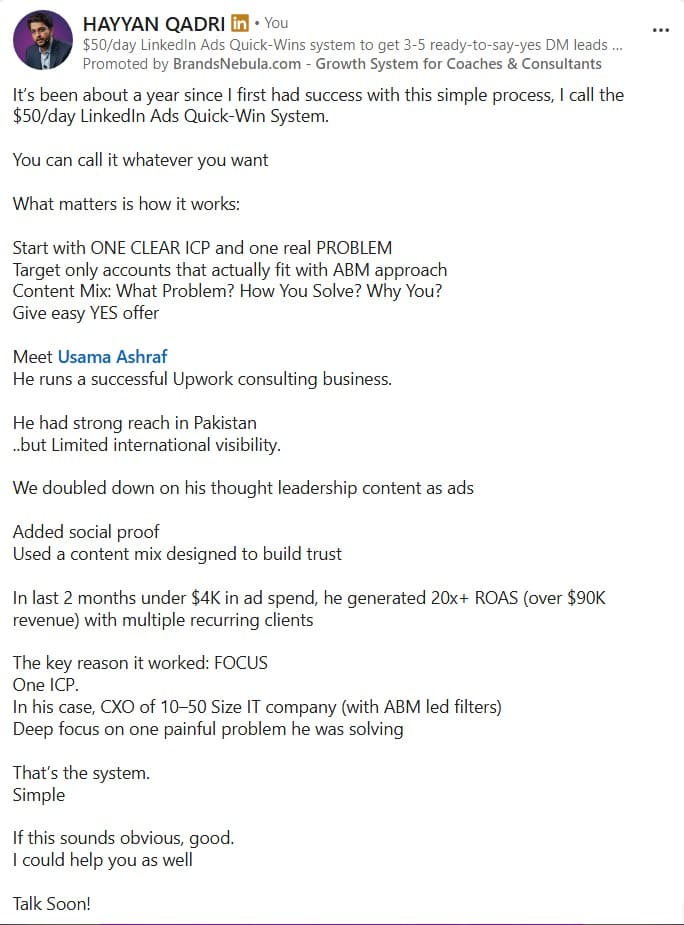
Because these ads blend naturally into the LinkedIn feed, they resemble regular posts from real professionals rather than traditional branded advertisements. This native presentation helps them feel more authentic, which often results in stronger engagement and higher trust from the audience.
This ad format is managed through LinkedIn Campaign Manager using the Partnerships feature. Businesses can request permission to sponsor content from employees or external collaborators, including consultants or industry influencers. Once the individual approves the request, their post can be amplified through paid promotion while still maintaining its original, organic appearance.
Why Thought Leader Ads Work So Much Better Than Regular LinkedIn Ads
Most users don’t engage with traditional LinkedIn ads. When they see a company logo, a polished creative, and the “Sponsored” label, they instantly recognize it as advertising and often scroll past without hesitation.
LinkedIn Thought Leader Ads solve this challenge by changing how the content is perceived and received.
Why LinkedIn Thought Leader Ads are more effective:
Here some following reasons that LinkedIn Thought Leader Ads are effective to use:
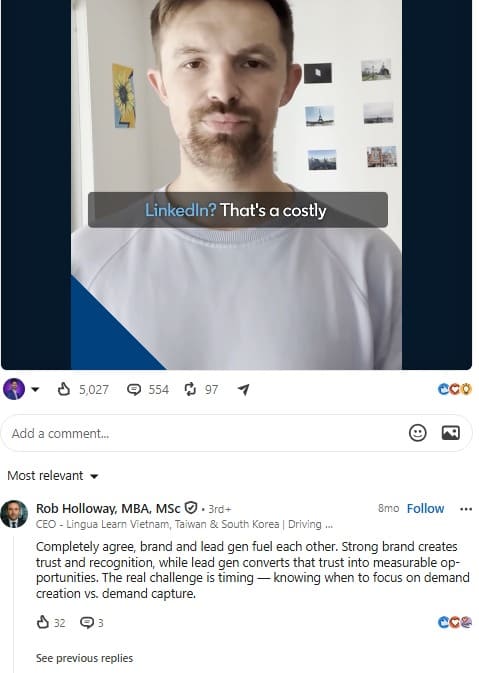
People trust people, they don’t trust on brands or logos
Content shared by a real individual with a face, name, and personal perspective feels more authentic and credible than a corporate message. This human element significantly increases trust.
Stronger engagement performance
Since these posts resemble organic content, they tend to attract more likes, comments, and shares. As engagement increases, LinkedIn’s algorithm naturally boosts their visibility, improving overall campaign performance.
More cost-efficient results
Higher engagement typically leads to better delivery metrics such as lower CPM and CPC. Over time, this allows advertisers to achieve greater reach without increasing their budget.
Advanced targeting remains available
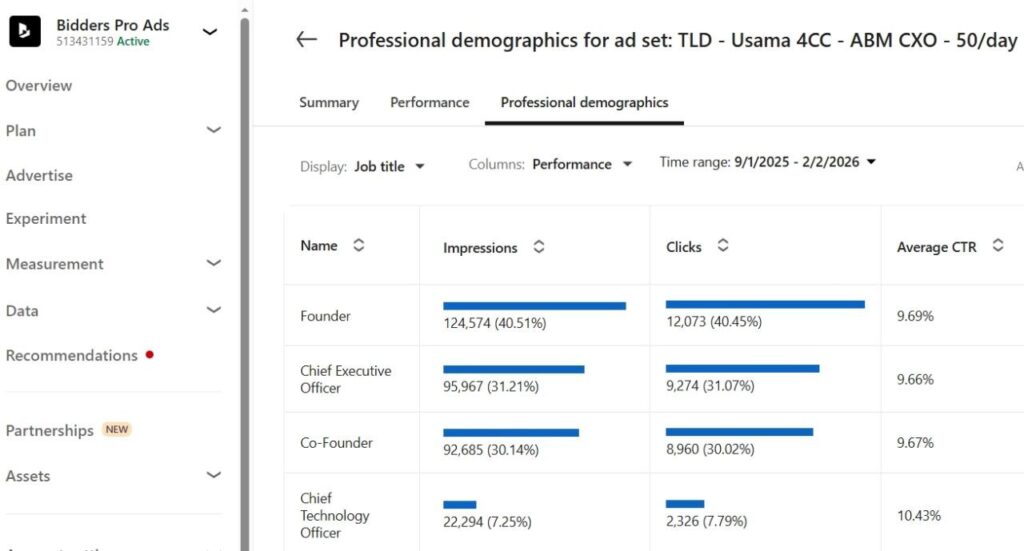
You still retain access to LinkedIn’s complete targeting options, such as job titles, seniority, industries, company size, and geographic location. The key distinction is that instead of a traditional ad format, the message is delivered through a more natural, human-centered post style.
Stronger trust-building in B2B journeys
B2B decisions rarely happen after a single interaction. Buyers need repeated exposure, credibility, and trust before taking action. Thought Leader Ads accelerate this process by making content feel more relatable and authoritative from the start.
Who Can Be Used as a Thought Leader in Your Ads?
This goes further than most people initially think. You’re not restricted to promoting content only from your CEO or founder. LinkedIn gives you the flexibility to amplify posts from a wide range of professionals, including:
- Founders and senior partners
- Executives and C-suite leaders
- Directors, managers, and vice presidents
- Sales representatives and account executives
- Internal subject matter experts
- External consultants, advisors, and industry collaborators
The most effective organizations don’t rely on a single voice. Instead, they adopt a multi-voice approach where several team members consistently publish and distribute content.
This creates a more scalable marketing system, reduces dependence on one individual, and helps the brand appear more credible and human across different audience groups.
What Content Should You Use for High-Performing LinkedIn Thought Leader Ads?
Not every LinkedIn post is suitable for promotion. The key idea behind LinkedIn Thought Leader Ads is to boost content that already feels authentic, useful, and naturally engaging not forced marketing material.
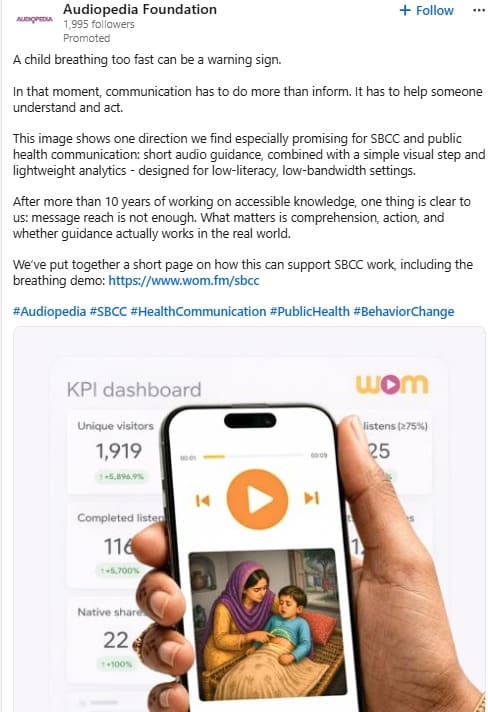
The posts that usually perform best include:
- Lessons learned from mistakes or real-world experience
- Contrarian perspectives that challenge common industry thinking
- Data-driven insights or original research findings
- Behind-the-scenes stories from client work or projects
- Practical frameworks, how-to guides, and step-by-step breakdowns
- Opinion-led posts addressing industry problems or trends
- Case studies shared from a personal or first-hand viewpoint
On the other hand, certain types of content rarely perform well in this format. These include overly promotional posts, press release-style announcements, generic corporate updates without personality, or anything that clearly reads like an advertisement. Audiences quickly recognize promotional intent and tend to ignore it.
A more effective strategy is to first identify your strongest organic posts the ones that already generate meaningful engagement. These proven pieces of content can then be amplified through LinkedIn Thought Leader Ads.
In most cases, promoting content that has already resonated organically delivers far better results than trying to predict what might work for a cold audience.
Why LinkedIn Thought Leader Ads Are Future of B2B Advertising
B2B buyers today are far more skeptical of traditional advertising. They tend to ignore banner ads, scroll past sponsored posts, and are generally cautious of anything that clearly feels like it came from a marketing team. However, they still pay close attention to insights shared by real individuals who demonstrate genuine expertise.
This is the fundamental idea behind LinkedIn Thought Leader Ads. It’s not a shortcut or manipulation tactic. It’s a format that reflects how trust is actually formed in B2B decision-making: through credibility, familiarity, and authentic human connection.
When implemented effectively, LinkedIn Thought Leader Ads become a compounding system. Each promoted post contributes to greater visibility, each interaction builds recognition, and each warm lead becomes progressively easier to convert. Over time, the focus shifts from simply running ads to developing a brand that your target audience already knows and trusts before any direct conversation takes place.
For B2B marketers, agency owners, founders, and sales professionals aiming to generate high-quality inbound opportunities without depending entirely on cold outreach, LinkedIn Thought Leader Ads have become one of the most impactful tools available on LinkedIn.
Common Mistakes to Avoid with LinkedIn Thought Leader Ads
There are a few common mistakes that can significantly reduce the effectiveness of Thought Leader Ads.
Promoting overly sales-driven content:
If a post already feels like an advertisement in its organic form, amplifying it will only make it easier for users to ignore. The format works best when the content feels natural and value-led.
Ignoring comments and engagement:
Once a post is promoted, it typically attracts more and gets comments and interactions. If the thought leader does not actively respond, it breaks the sense of authenticity that makes this strategy effective. Managing engagement is essential.
Using overly broad targeting:
Reaching irrelevant audiences leads to wasted spend and distorted performance insights. It’s important to define and refine your ideal customer profile before launching campaigns.
Evaluating results too quickly:
Thought Leader Ads are not designed for short-term testing. A single campaign over a few days cannot reflect their true impact. The results build gradually through consistent exposure and repetition.
Relying on only one person:
Building your entire strategy around a single profile creates unnecessary risk. A stronger approach is to develop a multi-voice system where several team members contribute content, making your brand presence more resilient and scalable.
Conclusion
LinkedIn Thought Leader Ads are more than just another advertising format. They represent a shift in how B2B marketing is approached. Instead of relying on corporate messaging, they place real people, authentic opinions, and practical expertise at the center of paid distribution.
If traditional LinkedIn ads haven’t delivered the results you expected, or if your cost per lead is rising while engagement continues to decline, the issue may not be your targeting alone. It may be the format itself. In many cases, performance improves when brands move away from purely corporate messaging and allow real voices within the organization to lead the conversation.
The process is straightforward in principle: create strong organic content, identify posts that already perform well, and then amplify them to a well-defined audience of decision-makers. When combined with consistent engagement especially responding to comments you shift from simply running ads to actively building credibility.
Over time, this approach delivers more than just clicks or impressions. It builds sustained trust at scale.
If you’re preparing to launch your first LinkedIn Thought Leader Ads campaign, start by selecting a few individuals in your organization who are already sharing valuable insights. From there, define your ideal customer profile clearly before investing in any ad spend, and build your targeting around that foundation.
Book a free strategy call today for launching LinkedIn Thought Leader Ads campaign.
Read more about How to setup LinkedIn Thought Leader Ad Campaign.
